

Workplace injury · Third-party liability

Hurt at work.Look beyond the employer.

The worksite may hold a second claim.

Workers’ compensation addresses the employment injury. A separate civil claim may address the contractor, property owner, equipment company, or driver that caused it.

Safety investigators documenting a forklift and damaged warehouse rack

01

Who controlled it

02

What failed

03

Which policy responds

Responsibility follows control

The jobsite is a place.It is not the defendant.

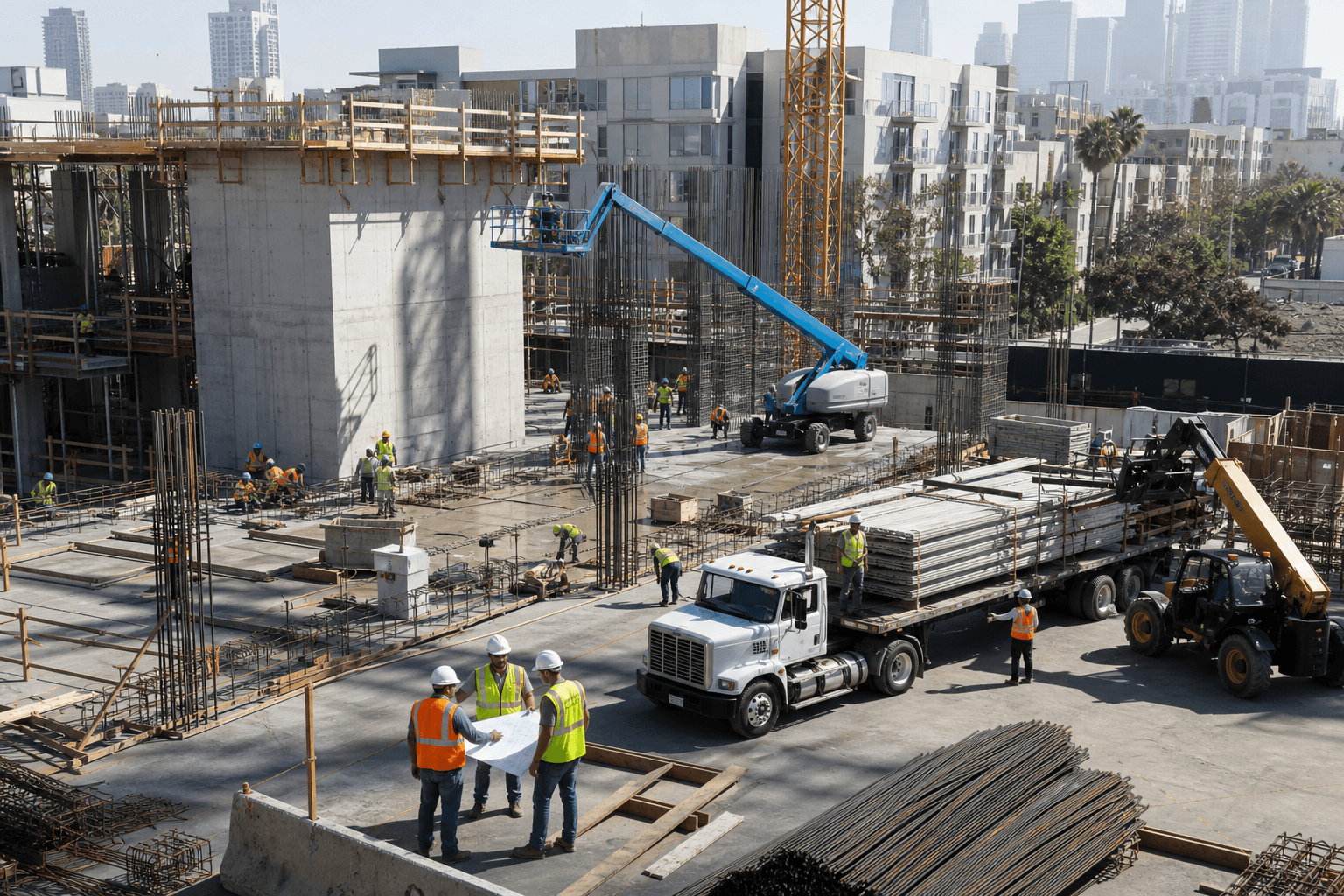
Several companies can occupy the same site while controlling entirely different risks. The civil case begins by mapping the operation—not by stopping at the name on the paycheck.

Multiple contractors, equipment operators, and delivery crews sharing a Los Angeles construction site

One site. Several companies. Different duties.

Property owner

Site control and known hazards

General contractor

Coordination and work sequencing

Equipment supplier

Rental, service, and maintenance

Subcontractor

The crew that created the condition

One injury · Two systems

Benefits on one side.Accountability on the other.

The two tracks may proceed at the same time. Reimbursement, credit, and lien issues must be accounted for when evaluating the net recovery.

Track I

Workers’ compensation

A no-fault benefit system tied to the employment relationship.

Fault
Not required
Filed against
The employer’s carrier
  • Medical treatment
  • Temporary disability payments
  • Permanent disability benefits
  • Return-to-work assistance where available
Track II

Third-party civil claim

A fault-based claim against a responsible person or company other than the employer.

Fault
Must be proven
Filed against
A non-employer entity
  • Past and future economic loss
  • Loss of earning capacity
  • Pain, suffering, and life impact
  • Full civil damages supported by the evidence
Before the site changes

Evidence disappearswith the next shift.

Equipment is returned. Guards are replaced. Contractors leave. A prompt investigation preserves the condition and the chain of decisions behind it.

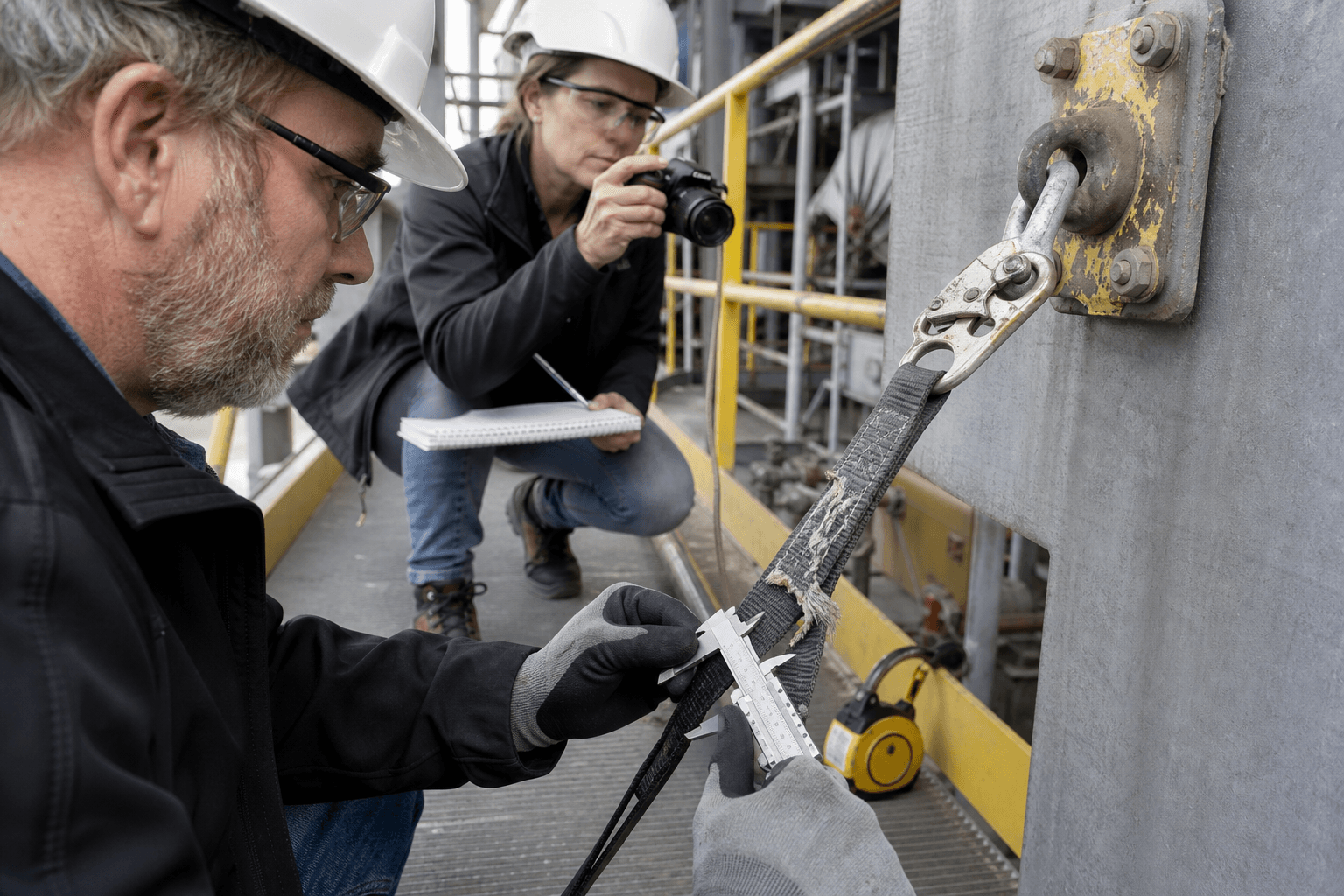
Safety experts documenting a failed fall-protection connection

Preservation priority

The failed component should be examined—not merely described.

01

The physical condition

Equipment, anchors, guards, floor surfaces, access points, and the condition before repair.

02

Control of the work

Contracts, daily logs, permits, delivery records, and who directed each operation.

03

The safety history

Inspections, prior complaints, maintenance, training, and relevant citation records.

04

The human record

Witness accounts, medical documentation, work restrictions, and the injury’s effect over time.

The real measure of recovery

The goal is not a file closed.It is a life rebuilt.

The damages story follows the worker beyond the first medical bill and into function, employment, and the future the injury changed.

A worker independently preparing for an ordinary workday at home

Ordinary independence

Recovery is returning to a life that feels like yours.

An experienced worker performing a safe quality-control inspection

Meaningful work

Back with purpose. On safe terms.

The complete recovery record

A

Care over time

Treatment, rehabilitation, future procedures, and support.

B

Work capacity

Past wages, restrictions, retraining, and future earning ability.

C

The human cost

Pain, loss of independence, emotional impact, and ordinary activities made difficult.

Where civil liability appears

Follow the failure.
Then follow control.

The incident type points to the evidence. The evidence identifies the company whose choices belong in the case.

01

Elevated work

Scaffolds · ladders · roofs · lifts

02

Industrial movement

Forklifts · cranes · loading zones

03

Defective protection

Harnesses · guards · shutoffs

04

Third-party operations

Vendors · contractors · deliveries

05

Work-related travel

Commercial routes · roadway exposure

06

Unsafe premises

Security · access · concealed hazards

The first moves

Protect both paths
from day one.

Prompt reporting protects workers’ compensation benefits. Prompt investigation protects the civil claim that may exist beyond them.

  1. 01

    Move 01

    Report

    Tell the employer promptly and request the DWC-1 claim form.

  2. 02

    Move 02

    Treat

    Describe every affected body part and follow the medical restrictions.

  3. 03

    Move 03

    Preserve

    Keep photographs, names, equipment information, and work communications.

  4. 04

    Move 04

    Identify

    Determine which companies and policies existed beyond the employer.

Workplace injury FAQ

The question behind
the comp claim.

Workers’ compensation asks whether the injury arose from work. A civil investigation asks who else caused it.

30 days

DWC reporting benchmark for a work injury

2 years

Common third-party civil limitations period

Potentially, yes. California Labor Code § 3852 preserves an injured employee’s claim against a person or company other than the employer. The workers’ compensation carrier may assert reimbursement or credit rights, so the two matters should be coordinated rather than treated as unrelated recoveries.
A third party may be a property owner, general contractor, subcontractor, equipment manufacturer, rental company, maintenance provider, delivery business, or another driver. The label on a uniform is less important than who controlled the work, supplied the product, or created the hazard.
Workers’ compensation is generally the exclusive remedy against an insured employer when the statutory conditions apply, subject to specific exceptions. Our civil-liability review focuses on other responsible entities and flags any employer-related exception that requires separate analysis.
California’s Division of Workers’ Compensation warns that failing to report a work injury within 30 days can jeopardize benefits. Formal workers’ compensation and civil claims have separate limitation periods and exceptions. A third-party injury action commonly carries a two-year period, but public entities and other circumstances can create shorter deadlines.
Ask about the third party
Workers’ compensation may not be the whole case

Find every company that had a hand in what happened.

We evaluate the worksite, the equipment, and every non-employer entity whose conduct may support a separate civil recovery.

Free consultation · Direct attorney access · No fee unless we recover